Data Collection
Gathering official water quality reports and weather statistics from local sources.
Planning a beach holiday in Turkey? Our blog provides detailed articles on sea conditions, water clarity, and weather patterns along the Mediterranean and Aegean coasts. Discover which beaches suit your preferences and learn about local features that influence your experience.
Explore Articles
The Turkish coastline offers a variety of sea environments, from calm bays to open waters. Each region has distinct characteristics influenced by currents, wind, and seasonal changes. Our articles break down these factors to help you understand what to expect. We focus on providing factual descriptions of water temperature, clarity, and wave activity based on historical data and local observations.
Turquoise Coast is an informational resource dedicated to travelers exploring Turkey's shoreline. We collect and organize data on beach conditions, water quality, and weather trends. Our team analyzes reports from local authorities and long-term observations to create detailed guides. The goal is to present a clear picture of what each destination offers, allowing readers to make informed choices based on their preferences. We do not recommend specific beaches but rather provide the information needed for personal evaluation.
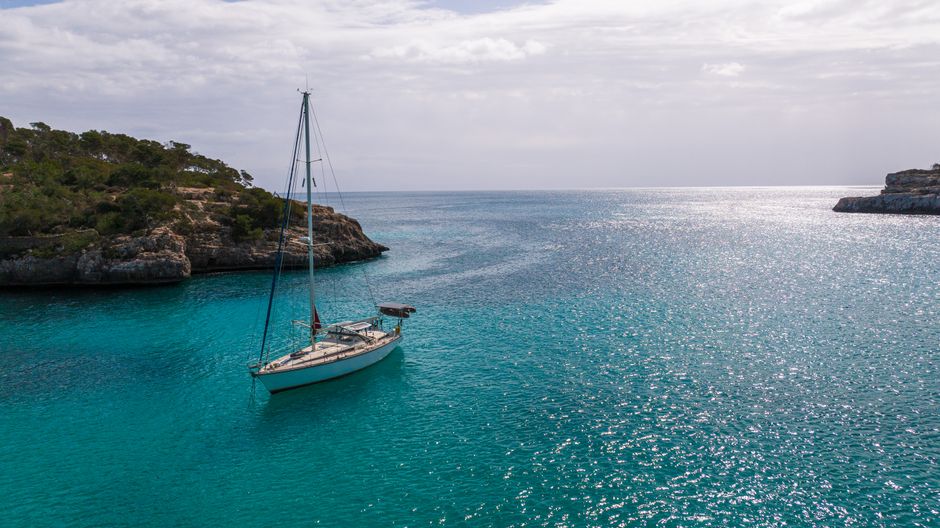
Gathering official water quality reports and weather statistics from local sources.
Comparing historical trends and current measurements to identify patterns.
Cross-referencing data with on-site observations and traveler feedback.
Presenting findings in clear, readable articles with visual aids.
I used the guides to choose a beach near Kas. The water clarity information was accurate and helped me pick the right spot.
The seasonal weather breakdowns are very detailed. I could plan my trip around the calmest sea days.
Understanding the wind patterns made a big difference. The articles are factual and easy to understand.
Turkey's coastline spans thousands of kilometers, each section shaped by unique geographical features. The Mediterranean coast tends to have warmer, clearer waters due to limited river runoff and stable currents. In contrast, the Aegean coast experiences more tidal variation and occasional cooler upwellings. Local factors like proximity to river deltas, urban areas, and protected marine reserves also influence water transparency and temperature. By understanding these geographical contexts, travelers can anticipate conditions at different times of year. Our articles explain how topography, wind directions, and sea floor composition combine to create the diverse swimming environments found along the Turquoise Coast. This knowledge helps set realistic expectations for any planned beach visit.
We rely on a structured process to ensure the information we provide is reliable. Sources include official meteorological data, environmental monitoring stations, and published scientific papers. Each article undergoes a review to verify consistency and accuracy. We do not offer subjective ratings but instead present raw data and descriptive summaries. This approach allows readers to form their own conclusions based on the available facts. Our aim is to support independent decision-making by offering transparency about how the information was gathered and processed.
Monthly averages and historical ranges for different regions.
Typical clarity measurements based on season and location.
Prevailing wind directions and their effect on wave activity.
Sandy, pebbly, or rocky shores with access details.
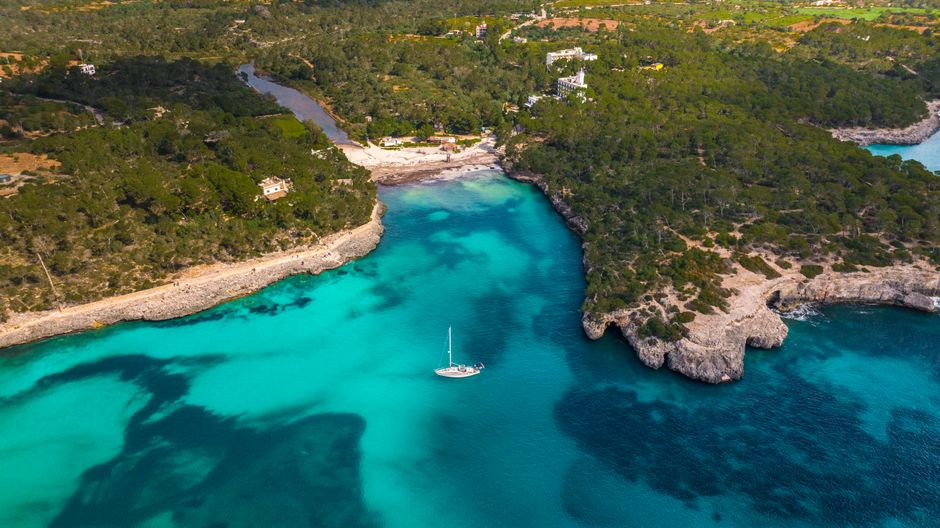
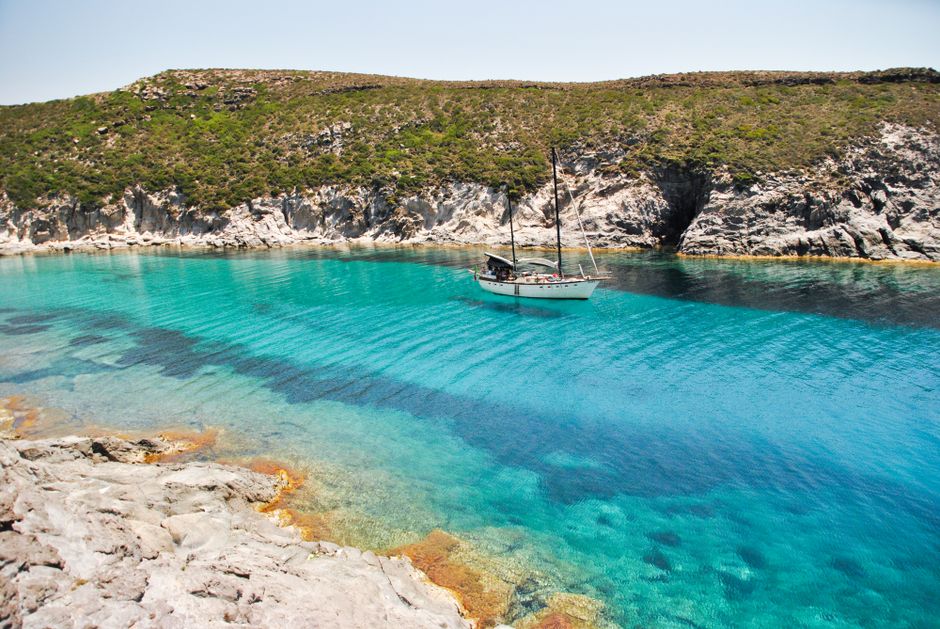
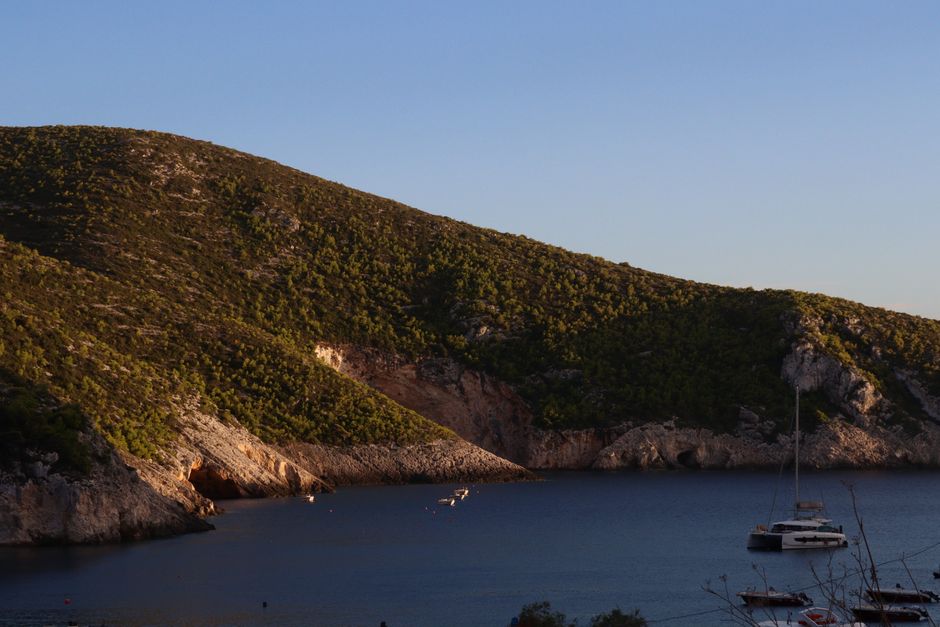
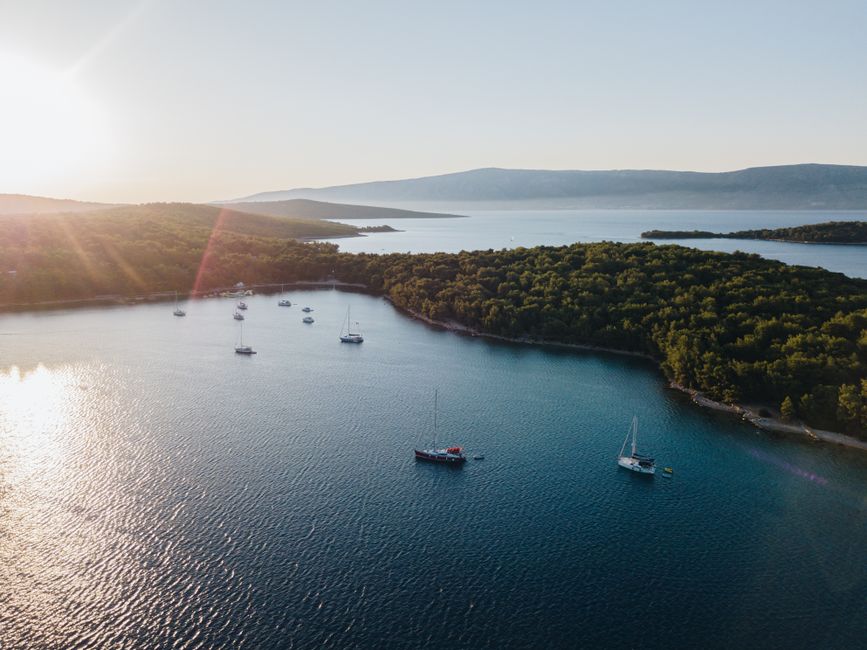
Sea conditions in Turkey change noticeably between seasons. Summer months bring warmer water and calmer seas, while spring and autumn can have more variable weather. Winter storms occasionally affect the coast, but many areas remain swimmable. Our seasonal guides break down typical patterns for temperature, wave height, and precipitation, based on multi-year data.
The content on Turquoise Coast is developed by a team with backgrounds in marine science, travel research, and data analysis. We collaborate with local experts and researchers to ensure our descriptions reflect current conditions. While we cannot guarantee specific experiences, our goal is to provide a detailed informational framework. Readers are encouraged to use our material as one of many resources when planning their travels. The emphasis remains on factual presentation rather than persuasion or promotion.

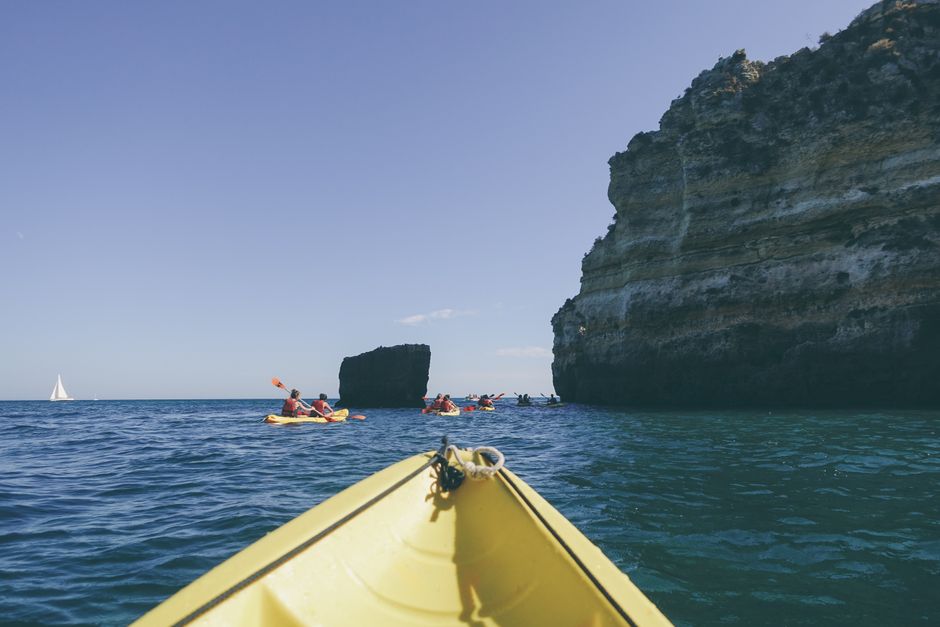
Geographic position, accessibility, and nearby facilities.
Temperature ranges and common weather patterns per season.
Summary of official monitoring data and historical records.
Advice on months with most favorable conditions based on trends.
Water clarity is often described using a scale based on visibility depth. Readings can be affected by recent rainfall, algal blooms, and wave action. Our articles explain the factors behind each rating and how they relate to typical swimming conditions. This context helps readers interpret the numbers accurately.
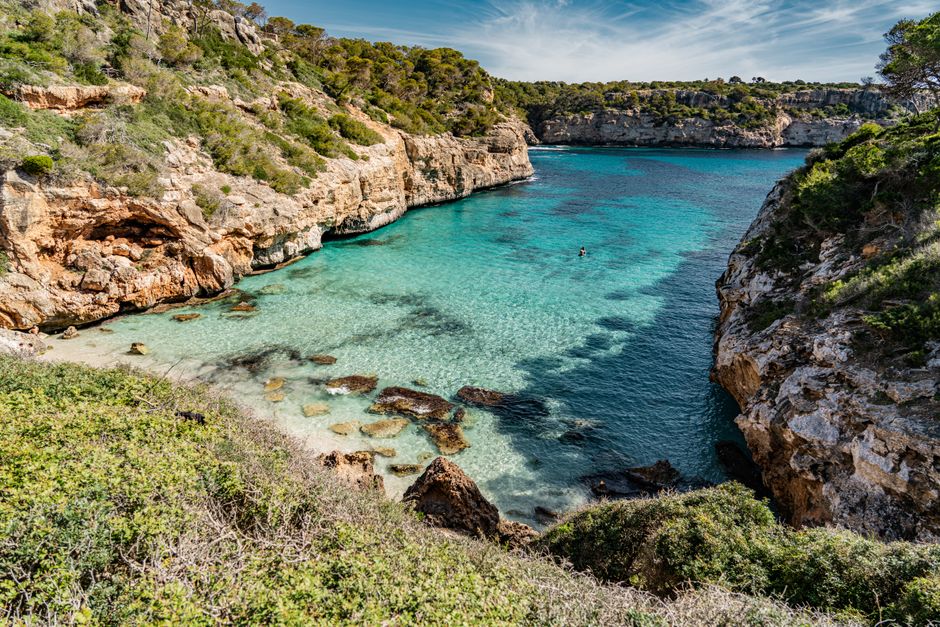
Turquoise Coast operates as an independent informational source. We do not accept payment from resorts or tourism boards to feature specific locations. All content is produced based on objective data and editorial judgment. Any partnerships or affiliations are clearly disclosed. This independence allows us to maintain a neutral perspective. Readers can trust that the information presented is not influenced by commercial interests. We aim to be a reliable reference for anyone researching Turkey's coastal environment.
Determine what matters most: water temperature, calmness, or scenic beauty.
Select a coastal area and read the corresponding guide for detailed data.
Use our tables and summaries to compare conditions across destinations.
Combine our information with current weather forecasts for your travel dates.
Subscribe to receive updates when new articles are published. We share seasonal outlooks and new destination guides periodically.
Subscribe to receive updates when new articles are published. We share seasonal outlooks and new destination guides periodically.